
Local Column
COLUMN
About Diving in Ishigaki Island! Ishigaki Island resident staff will give you a thorough explanation!
Hello everyone!
What comes to mind when you think of Ishigaki Island?
Wouldn't you say the most common sight is the beautiful emerald-green sea?
The water is exceptionally clear, and the underwater scenery—featuring colorful tropical fish, branching corals, and table corals—is unlike anything found on the mainland, creating a sense of escapism that is another reason for its popularity.
In this article, we’ll introduce diving on Ishigaki Island.
Table of Contents
Diving on Ishigaki Island
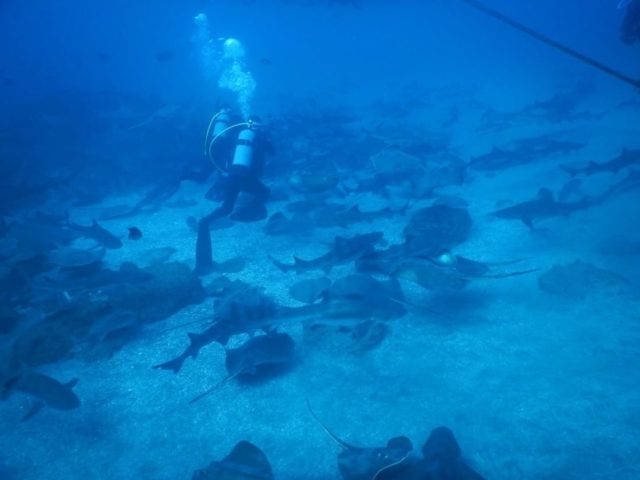
Ishigaki Island is part of the Yaeyama Islands, a group of islands located about 400 km southwest of the main island of Okinawa. Its appeal lies in its warm, subtropical oceanic climate—with an average annual temperature of about 24°C—and its unspoiled natural beauty. As a result, there are numerous diving spots in the surrounding area.
Features of Diving on Ishigaki Island
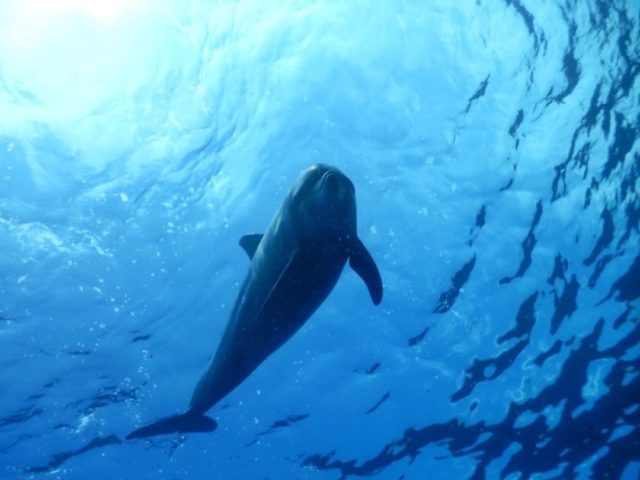
One of the defining features of Ishigaki Island’s diving spots is that many of them offer significant depth and gentle currents, making them enjoyable for divers of all levels, from beginners to advanced. You can also spot a variety of marine life in the area, including about three species of sea turtles, as well as manta rays and dolphins. The coral reefs are also spectacular; nearly half of the approximately 800 species of coral found worldwide are home to the Yaeyama Islands. Furthermore, with numerous caves in the area, exploration diving is another defining feature of diving on Ishigaki Island.
Reasons Why Ishigaki Island Is a Great Place to Dive
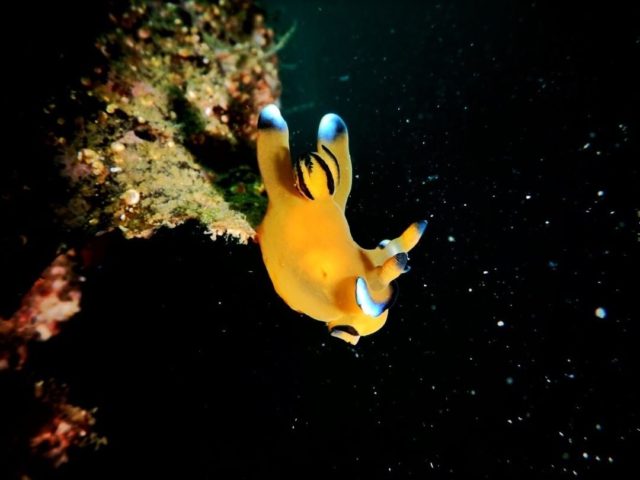
The two main reasons why diving on Ishigaki Island is highly recommended are the abundance of dive sites—which allows you to choose from a wide range of difficulty levels—and the fact that you can experience a different view every time you dive.
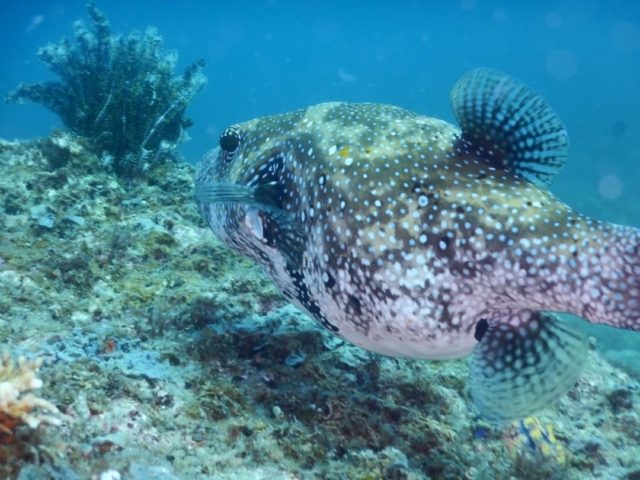
One advantage of having many dive sites is not only that you can choose your level of difficulty, but also that it’s easy to switch to a different site when conditions become dangerous due to the tides. After all, you’d want to avoid a situation where you’ve gone all the way to Ishigaki Island only to find you can’t go diving.
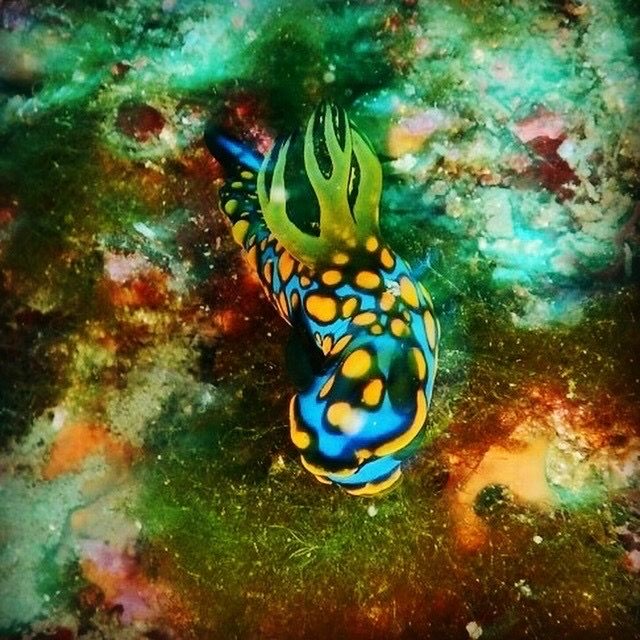
The second point—that you see a different view every time you dive—isn’t unique to Ishigaki Island, but Ishigaki Island is special in that you can dive there even in winter and spring. In fact, during winter, when there are no strong winds from typhoons or the like, the island boasts some of the best visibility year-round, so you can see for a very long distance.
For these reasons, I highly recommend diving on Ishigaki Island.
Marine Life You Can See While Diving on Ishigaki Island
Ishigaki Island is home to many marine creatures that are rarely seen on the mainland. Among them, the following three species are particularly popular.
① Manta Ray
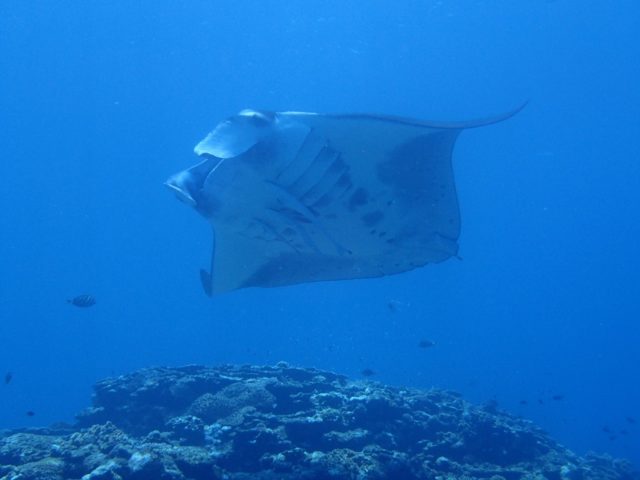
The waters around Ishigaki Island are where you can encounter manta rays. Off the northwest coast of Ishigaki Island, near Kabira Bay, there is a manta ray migration route known as the “Manta Scramble.” Manta rays often swim at depths of about 6 to 7 meters, so you can spot them even at the depths typically reached during introductory dives.
② Sea Turtles
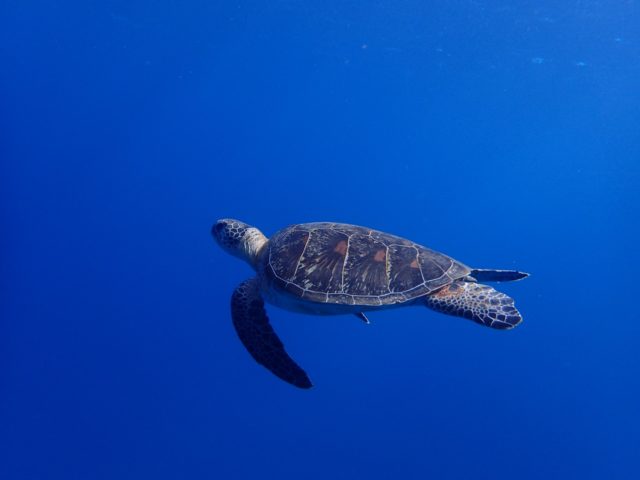
Sea turtles are frequently spotted on Ishigaki Island. You’re said to have a high chance of encountering them—about 70 percent of the time. Since there are sea turtle nesting sites on islands such as Kurojima in the Yaeyama Islands, they are often spotted during the nesting season, which runs from spring through summer.
③ Tuna
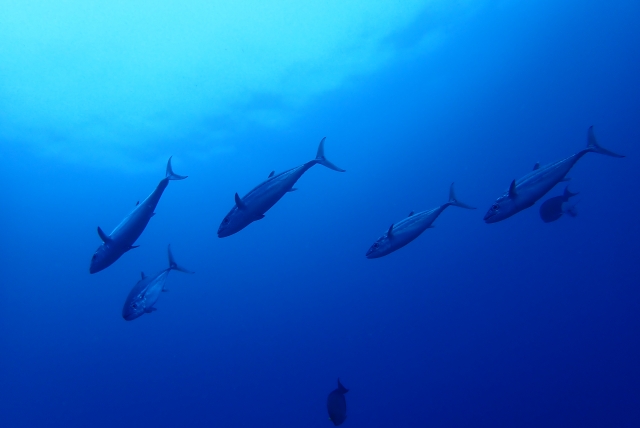
Ishigaki Island sees a steady catch of bluefin tuna, as well as yellowfin and bigeye tuna. This means these species are circulating in the surrounding waters. As proof of this, you can sometimes encounter tuna while diving.
About Introductory Diving
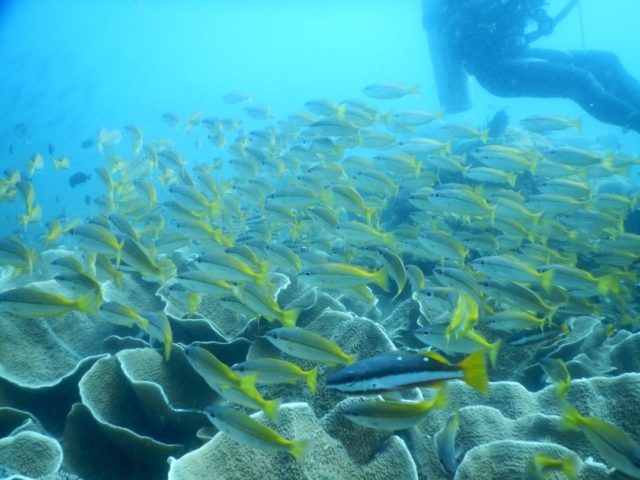
"Introductory diving" refers to the type of diving you can experience on tours and other activities. Since you only dive to a depth of about 10 meters at most, it’s a great activity even for beginners. Most tourists visiting Ishigaki Island enjoy introductory diving. An instructor stays with you the entire time, so it’s completely safe.
About Recreational Diving
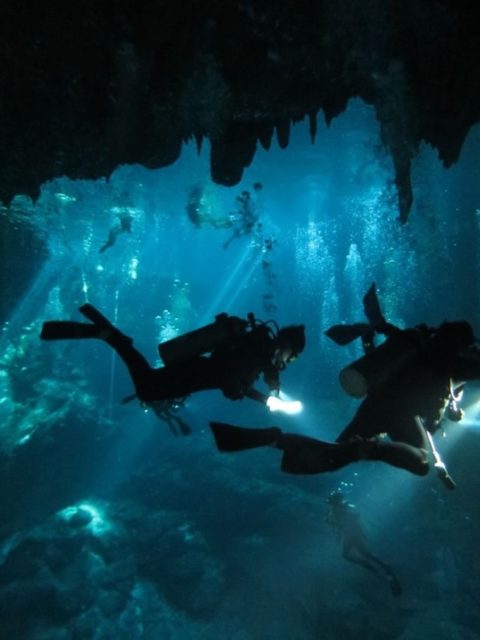
Recreational diving is a type of diving available to certified divers, allowing them to dive to greater depths than in introductory tourist dives. It is a slightly more challenging form of diving in which divers apply the knowledge and skills they acquired during their certification course to enjoy diving while managing their own safety.
Some people even get their certification locally before coming to Ishigaki Island to go on recreational dives, so if you're interested, why not get certified and join us?
About Obtaining a Diving Certification
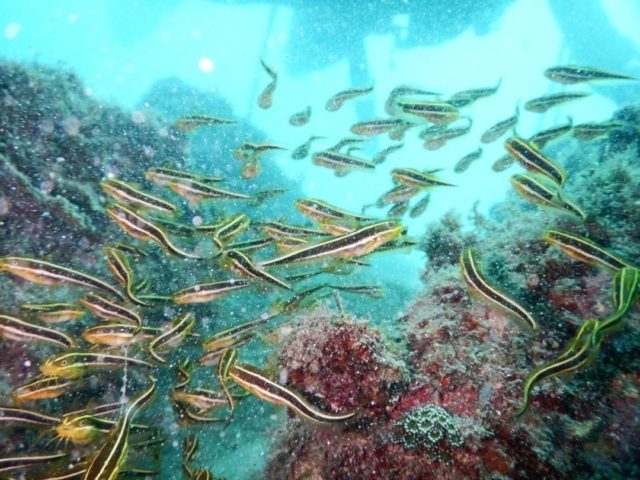
Some of you may be interested in trying a recreational dive.
To do so, you’ll need to obtain a diving certification. Unlike a driver’s license, a diving certification doesn’t expire, so once you’ve earned it, it’s valid for life, allowing you to enjoy scuba diving not only in Japan but in oceans all over the world.
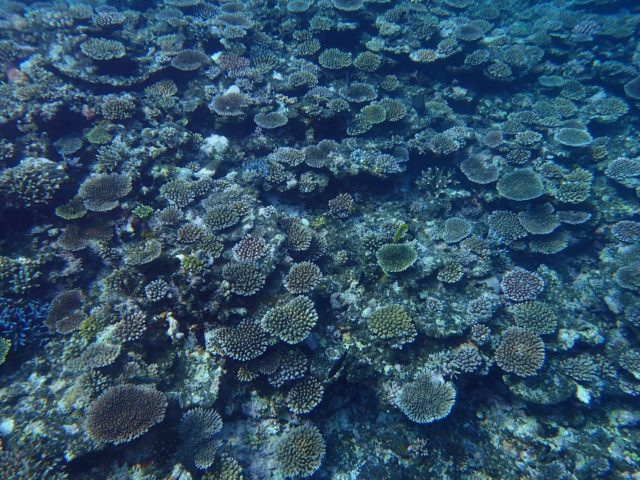
Diving certifications are officially called “C Cards,” and while there are several organizations that issue them, they are all overseen in Japan by an organization called the C Card Council. Most divers belong to an organization called PADI. PADI has different ranks, and the maximum depth you can dive to varies depending on your rank. If you’ve completed the beginner-level Open Water Diver course, you’ll be able to fully enjoy the waters around Ishigaki Island. Open Water Divers can dive to a depth of 18 meters when accompanied by a diver holding an equivalent or higher certification.
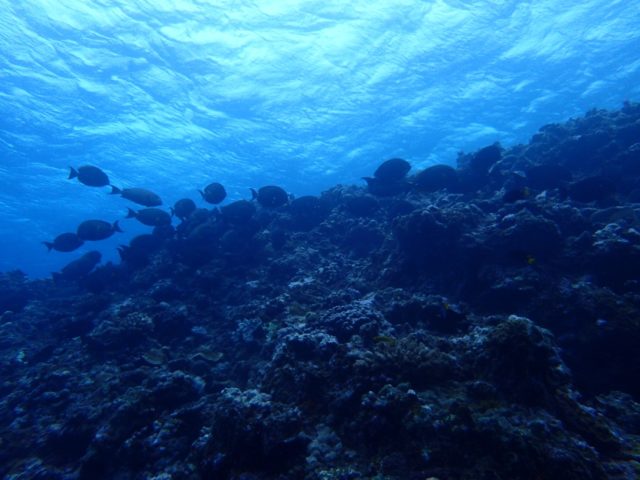
Not only will you learn the basic skills of diving, but you’ll also gain the knowledge needed to enjoy diving safely—such as how to plan dives, assess sea conditions, and avoid problems. Therefore, to obtain your certification, you must complete three steps: classroom instruction, pool training, and open-water training.
Diving Season
The scenery of the ocean around Ishigaki Island varies depending on the season. In particular, the marine life changes. The following section describes these distinctive features.
Spring Diving on Ishigaki Island
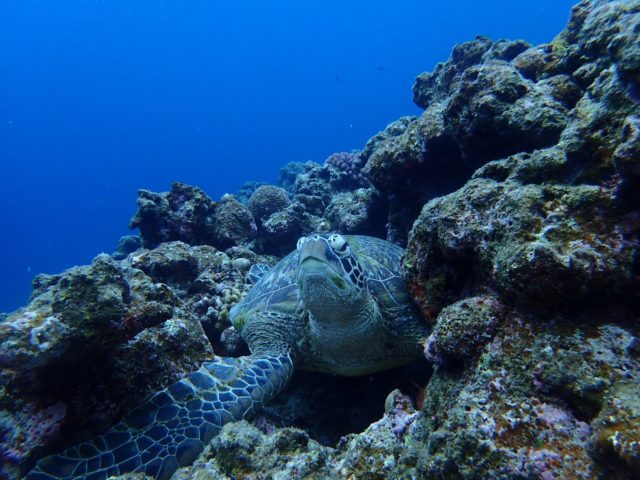
The water around Ishigaki Island is already over 20 degrees in the spring, so it isn't cold. This is the season when many sea turtles visit to lay their eggs. Please enjoy seeing the sea turtles on Ishigaki Island—something you rarely get to see on the mainland.
Summer Diving on Ishigaki Island
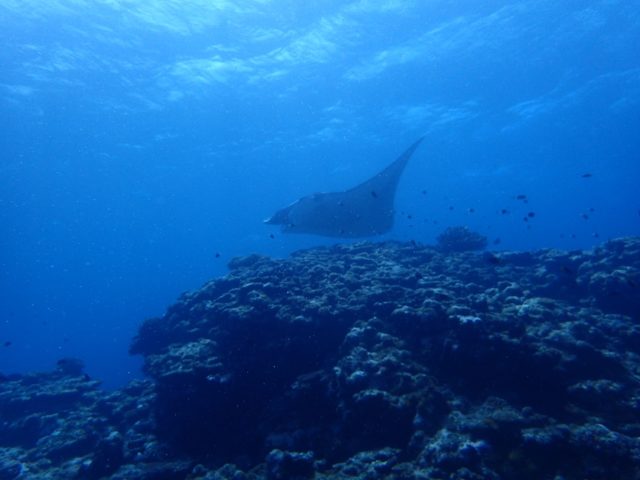
Summer is the peak season for diving. On Ishigaki Island, this is by far the best time to spot manta rays. You can watch them glide through the water as if they were flying.
Fall Diving on Ishigaki Island
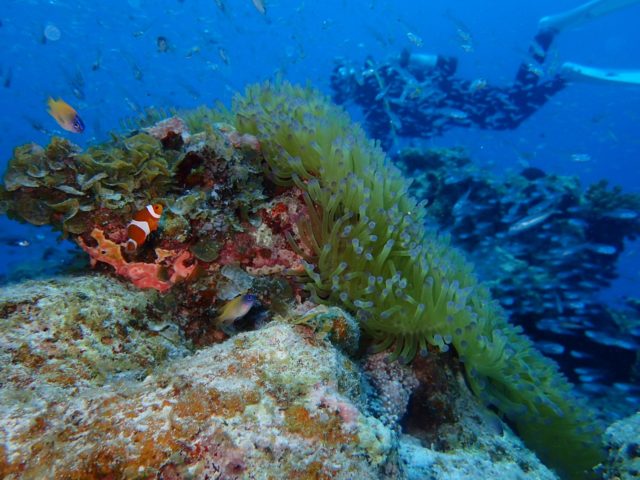
Fall on Ishigaki Island is the season for coral and small fish. This is the time of year when you can see many colorful tropical fish. It’s absolutely adorable to watch them hide among the coral.
Winter Diving on Ishigaki Island
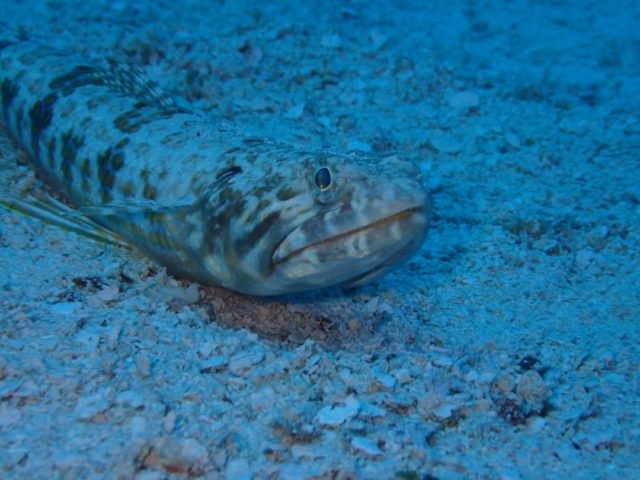
Winter on Ishigaki Island is the perfect time to encounter large migratory fish, such as tuna. Come enjoy the breathtaking sight of these massive fish in the ocean.
49 Best Diving Spots on Ishigaki Island
There are numerous diving spots in the waters around Ishigaki Island. We’ve divided the surrounding area into four sections—north, south, east, and west—so please check the section that interests you.
Kawahira Area
① Kabira Ishizaki Manta Scramble
There are spots where you can encounter manta rays—one of the world’s largest fish species, which primarily inhabit tropical waters. In particular, a spot called Kabira Ishizaki Manta Scramble, located on the northwest side of Ishigaki Island, has a high rate of manta ray sightings and is considered one of the world’s top manta ray viewing spots.
② Manta City Point
This dive site is located about 400 meters west of “Kabira Ishizaki Manta Scramble,” a spot known worldwide as a manta ray hotspot. Divers descend to the bottom at the edge of the reef—a manta ray cleaning station at a depth of around 10 meters—to observe the rays.
③ Yoshiwara Arch (Seado)
This spot is located between Kabira and Arakawa on Ishigaki Island. Also known as “Seed” or “Ebi-ana,” the exit of the arch creates a magical atmosphere.
④ Yanbare
This spot boasts one of the highest concentrations of coral in all of Okinawa. Colorful fish swim playfully all around.
⑤ Maibara W Leaf (Fukapi)
This dive site is located off the coast of Yonehara Beach, near Kabira on Ishigaki Island. The vast reef allows divers to choose between eastern and western routes. It’s a site that offers a variety of experiences—from terrain dives to fish-watching dives—depending on the diver’s preferences, and is suitable for divers of all levels, from beginners to advanced.
⑥ Beauty Under the Tree (Jukabijin)
This spot is located near Yonehara Beach, close to Kabira on Ishigaki Island. The spot gets its name from the tree-like roots that have been carved by ocean currents over many years. You can spot fish such as gurukun, which are commonly found in Ishigaki cuisine.
⑦ Arakawa Rock Lake
This is a spot located near the Arakawa River. There is a vast sandy seabed offshore, and since there are caves along the reef, fish gather inside the caves from early summer through fall.
⑧ Arakawa Double Arch
This is a dive site located near the Arakawa River. It features two tunnels and crevasses. It’s not just a site for terrain diving—you can also enjoy fish-watching dives here.
⑨ Shrimp Garden
This spot features small roots scattered across a white sandy bottom and is home to many Suzaku Sarasa shrimp and Red-striped White-beard shrimp.
⑩ In front of the Maibara Campground
This spot, also known as Maibara Beach, is located in front of the campground. Beautiful white sand, which looks like an extension of the beach, is dotted with tree roots.
⑪ Land-Only Lease (Sukuji) Out
This is a dynamic spot facing the open ocean. It’s also a place where you can watch large migratory fish swimming in circles.
⑫ The Roots of the Sukuji Gurukun
This spot faces the open ocean and features a series of long, slender reefs rising from the seafloor, where you can see schools of gurukun.
Southern Area
① Yonara Aqueduct
This dive site is located on the eastern side of Iriomote Island. Although the "Cleaning Station" is a site for intermediate divers and above, with a depth of around 26 meters, manta rays, bluefin trevally, and sea turtles are sometimes spotted there.
② Panari Big Corner
A new manta ray spot located south of Shinshōjima. It’s sheltered from north winds, so you can visit even in winter. The white sand bottom features coral reefs, and since the water is only about 5 meters deep over the reefs, it’s a spot where even beginners can dive.
③ The Roots of Panari Ryugu
The underwater scenery, where the bright red of the giant Ryukyu sea anemones stands out against the pure white sandy bottom, looks just like the Palace of the Dragon King. Since the water is only about 10 meters deep, it’s a spot where even beginners can dive.
④ Kuroshima Therapy
The seafloor, which is no more than about 8 meters deep, consists of a stretch of pure white sand dotted here and there with coral colonies. This is a spot where you can sometimes spot tropical fish among the coral colonies.
⑤ Kurojima Kinme Root
The name comes from the fact that coral roots are scattered across the pure white sandy bottom and yellowtail snappers are often seen there. It’s a spot where you can feel incredible pressure due to the high density of fish.
⑥ Kuroshima V-Shaped Point
This spot is for advanced divers and features a dramatic drop-off that plunges to a depth of about 27 meters. It is known for attracting schools of Kasumi butterflyfish and gurgun, as well as migratory fish such as yellowtail tuna and tsumburi.
⑦ Tokakin's Root
In the Okinawan dialect, “Tokakin” refers to bluefin tuna. Around the reef at a depth of about 40 meters, large fish such as bluefin tuna, manta rays, and hammerhead sharks can be seen.
⑧ The Roots of Minami-Vitallo on Taketomi Island
"Vitaro" is the local dialect term for the "four-striped fusilier." In addition to the four-striped fusilier, this spot is teeming with small fish such as damselfish.
⑨ Taketomi Island South Middle Book
A spot where the colonies of common staghorn coral are scattered across the sandy bottom. This is a spot where you can also sometimes spot Yasha gobies and long-finned gobies on the sandy bottom.
⑩ Little Creatures Home
Perhaps because of the gentle current and relaxed atmosphere, this spot is home to many juvenile fish. You can encounter gobies, crustaceans, and a variety of other marine life here.
⑪Milky Way
True to its name, "Milky Way," this spot features expansive stretches of pure white sand. It is home to many small creatures, such as sea slugs.
⑫ The Roots of Taketomi Island's Jagarico
This spot is located right next to a seabed hot spring where hot water bubbles up from the ocean floor. It gets its name from the roots of the potato-shaped common staghorn coral found there.
⑬ Three Stones
Located on the way to Kamaima Island, this dive site gets its name from the three large tree roots found on the sandy bottom. The sandy bottom is home to many macro creatures, and stingrays and manta rays are sometimes spotted in the midwater layer.
⑭ Horse-Direction Stone (Uma no Fābī)
The reef, located at a depth of 7 to 8 meters, features caves and crevices, making it a great spot for terrain divers.
⑮ Taketomi Island Nankai Undersea Hot Spring
This is a rare spot where hot springs gush out from the sandy seabed.
⑯ Miyara Outer Reef
Since the current can be strong at this site, it's recommended for intermediate divers and above, but it's a spot where you're likely to spot barracudas and whitetip sharks.
Western Area
① Saki-eda Maze
It’s called the “Maze” because the reef is intricately intertwined, and as you swim along, caves and arches appear here and there. It’s a beautiful spot where you can also see clownfish and other marine life. The underwater terrain is a must-see.
② Misakizaki Coral Wave
This spot features a sprawling colony of Ryukyu stony coral, whose elegant curves resemble rose petals. You may even spot manta rays on the reef at times.
③ Misakizaki Turtle Kiss
Green sea turtles are often found on the reef ledges off the coast of Misaki, and you can sometimes get quite close to them. If you want to see sea turtles, this is a spot you won't want to miss.
④ The Roots of Kasumi Misakizaki
This is a spot where schools of colorful fish, such as the goldfish anemonefish and the cloud butterflyfish, dance about. You can also spot many small creatures on the reef.
⑤ Yarabe-zaki Corner
This is a thrilling dive site at the tip of Yarasaki, where you can see massive rocks that resemble underwater ruins, as well as large migratory fish like barracuda and yellowfin tuna.
⑥ Osaki Hanagoi Reef
Starting at a depth of about 5 meters, the gently sloping seafloor is covered with colonies of Yubieda Hama coral, making this a vibrant spot where, true to its name, schools of butterflyfish and goldfish anthias gather.
⑦ Osaki Lionfish Palace
The undulating reef is teeming with prey for lionfish. Because so many lionfish gather here, the reef has been named “The Palace.”
⑧ Mash II
At this spot in Nagura Bay, there is a vast colony of Saotome shikoro coral. You can see a variety of coral shapes, including branching coral and table coral, making it a spot that coral enthusiasts will find irresistible.
⑨ Hargatter
At low tide, the roots of the humpback coral emerge above the water’s surface at this shallow spot, making it a great place even for beginners to enjoy. You can see tropical scenery such as the “Mini Clownfish Castle,” where schools of clownfish gather, and damselfish.
⑩ Akakuri Paradise
Located on the western side of Nagura Bay, this spot offers a spectacular sight as large schools of red snapper appear in the midwater layer.
⑪ Moegi Ranch
At this spot in Nagura Bay, you can see the Moegi Goby—a favorite among photography enthusiasts—at depths of 30 meters or deeper. The shallows are home to many damselfish and colorful reef fish, making this a spot that both beginners and experienced divers can enjoy.
⑫ Shikoro's Root
This spot features a colony of common staghorn coral stretching as far as the eye can see. It’s a dive site teeming with small marine life, including “Clownfish Castle,” where schools of clownfish gather.
Northern Area
① Itona Dome
Located just offshore from the Itona area, this spot offers a truly breathtaking sight: a shower of light streaming through a hole at the back of a large dome. It’s a spot we highly recommend for beginners interested in exploring unique geological formations.
② Ito Spring Water
A variety of coral colonies thrive here beautifully. There are also sandy bottoms and rocky areas, making for a diverse array of marine life. Since the creatures you encounter are different every time you dive, it’s a spot that makes diving a real pleasure.
③ The reef off the coast of Ibaruma
This is the premier spot in the northern region where you can spot large migratory fish from fall through winter.
④ Big Mountain
At a depth of about 15 meters, a massive reef formation rises up like a mountain. This is a spot where you can often see large schools of fish, such as golden trevally.
⑤ Hirano Inreef
Located on the reef at the northernmost tip of the island, this spot offers the chance to admire coral colonies in the crystal-clear blue waters.
⑥ The Reef of the Hanadai
This dive site is located on the northern reef of Iharama Bay and features a massive rock formation that rises from a depth of 25 meters to near the surface. It’s a great spot to enjoy schools of gold-striped anthias and red-spotted anthias.
⑦ Below the Hirakubo Lighthouse
A spot located offshore from the Hirakubozaki Lighthouse at the northernmost tip of the island. Migratory fish such as bigeye tuna sometimes appear in these waters. The water is very clear, and visibility often exceeds 30 meters.
⑧ Yasuraguchi
Located on the eastern side of the island, this spot often has strong currents but also offers a high chance of seeing large migratory fish. With its exceptional water clarity, it’s a must-visit spot for experienced divers.
At the end.
We’ve introduced you to diving on Ishigaki Island. What did you think?
Diving is an essential activity for fully enjoying the ocean around Ishigaki Island, isn't it?
Start with a trial dive to discover the joys of diving, and once you’ve developed an interest, get certified and try diving at sites suited for intermediate and advanced divers.
I hope this helps spark your interest in diving.
Thank you for reading to the end.
This article was written by.