
Local Column
COLUMN
What is the reality of Ishigaki Island water accident? How to enjoy snorkeling safely!
目次
To enjoy safe snorkeling in the sea of Ishigaki Island
When we think of Ishigaki Island, the ocean is what comes to everyone's mind.
As a resident of Ishigaki Island, I would like to invite you to experience snorkeling when you visit Ishigaki Island.
On the other hand, however, the number of water accidents on Ishigaki Island has been increasing every year.
If an accident occurs during your trip, all your memories will be ruined.
We hope you will read to the end of this article to learn what you can do to prevent accidents from happening, both for yourself and for the safety of those around you.
An example of a water accident in the sea of Ishigaki Island
We will start with some examples of actual accidents that have occurred while snorkeling on Ishigaki Island.
Example (1)
On May 11, 2022, at approximately 2:35 p.m., a 119 caller reported that a woman snorkeling drowned and was pulled onto the beach off Husaki Beach in Shinkawa, Ishigaki City.
According to the Ishigaki Coast Guard and the Ishigaki City Fire Department, a 70-year-old woman from Tokyo who was visiting the city as a tourist was transported to a city hospital in cardiopulmonary arrest, but was confirmed dead at 3:48 pm.
Example (2)
On May 5, 2022, at around 10:15 a.m., "A woman who was snorkeling became unconscious off the Osaki coast of Ishigaki City, Okinawa Prefecture. She was pulled back on board and returned to port," a marine leisure operator called 118.
He was later confirmed dead.
Example (iii)
An Ishigaki Coast Guard officer found a man (65) lying face down on the Maesato Beach in Yashima-cho, Ishigaki City, Okinawa Prefecture, at around 8:35 a.m. on May 31, 2022.
The man was in cardiopulmonary arrest and was pronounced dead on the spot by responding firefighters.
Example 4
On September 18, 2022, at around 0:25 p.m., a caller called 118 at Crystal Beach in Kabira, Ishigaki City, saying that her husband had not returned from snorkeling. According to the Ishigaki Coast Guard, a man in his 50s living in Ishigaki City who was snorkeling went missing.
Example (5)
On June 19, 2023, at around 9:45 a.m., a caller reported on 118 that his SUP had been swept away and could not return approximately 300 meters north offshore from the "Blue Cave" in Bikkai, Ishigaki City.
According to the Ishigaki Coast Guard, a wife and child who were SUPing privately were swept out to sea and the husband, seeing this, went to rescue them, but was unable to return due to the rip current.
Fifteen minutes after the call, the three were rescued by a nearby diving boat, and none of them were injured.
privateActivities at theBecause of the high risk, it is recommended to take a tour.
Number of water accidents and fatalities
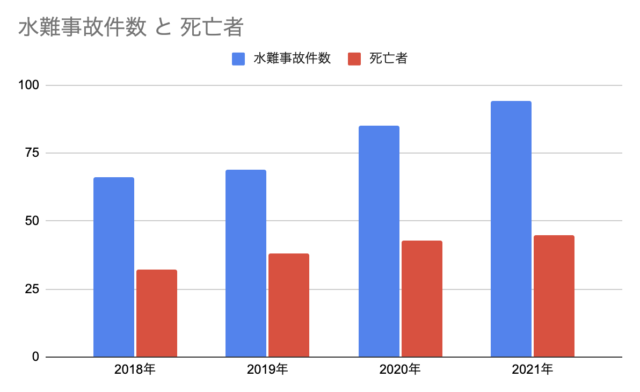
This graph shows the annual number of water-related accidents and fatalities in Okinawa Prefecture,
As you can see, the number of water accidents continues to increase every year.
Regarding the background to the increase, the Okinawa Lifesaving Association, which submitted a petition to the prefecture regarding the prevention of water-related accidents, explains, "Many of the places where many accidents occur are characterized by natural beaches where there are no resident lifeguards.
And during the declaration of the state of emergency, it is believed that the main reason was the tendency for people to flow to the natural beaches, as the supervised beaches were closed and staffed by monitors.
Why do water accidents happen?
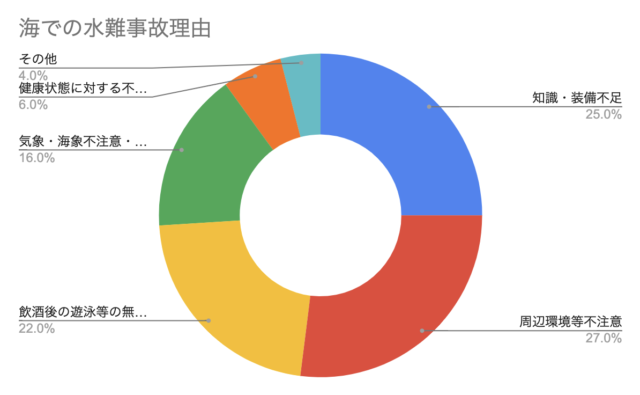
This graph shows water-related accidents by cause, as announced by the Japan Coast Guard.
Lack of knowledge about the sea
Insufficient knowledge of the sea is the cause of the majority of water-related accidents.
The ocean is subject to numerous influences, including Okinawa's unique currents, the direction of the wind that day, and the terrain.
Personal privacy without any knowledge of the daily changing ocean conditions is very dangerous.
You never know what will happen in the ocean, whether you actually find yourself swept out to sea and lost, or swallowed by the current and swept away as it were.
Knowledge of the ocean is very important, especially if you are snorkeling privately.
equipment deficiency
This is another major factor leading to water accidents.
Failure to wear life jackets and other buoyant equipment in snorkeling accidents.It is.
According to the Okinawa Coast Guard, 64% of those involved in accidents are not wearing life jackets.
In addition, even if you are wearing the wrong equipment, its effectiveness will be reduced by half if you do not wear it in the correct way.
Snorkeling equipment
Mask + Snorkel
As for masks and snorkels, they play a very important role in snorkeling.
The first thing to check before wearing is that there are no cracks or breaks in the mask and that the snorkel is not broken (no water coming in).
Proper use of mask + snorkel
First, when putting on the mask, lift the bangs up so that the bangs do not get in when the mask is put on. (If the bangs get in, the mask will fog up very easily.)
The snorkel sucking process is a three-step process: "A", "I", and "U".
(1) First, open your mouth wide with "A".
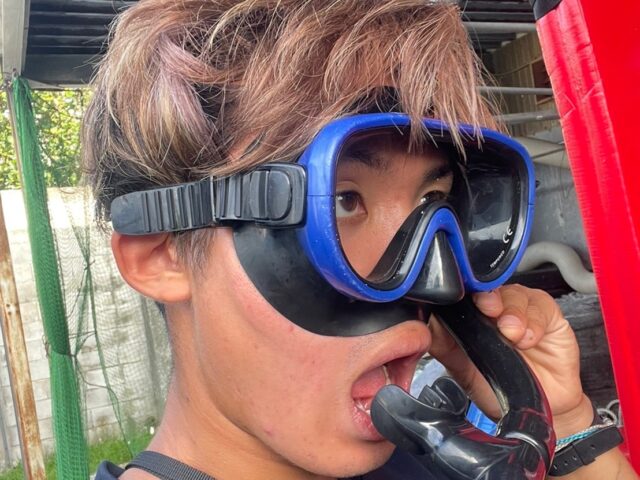
Next, bite the part of the snorkel that is the mouthpiece with your teeth in "i".
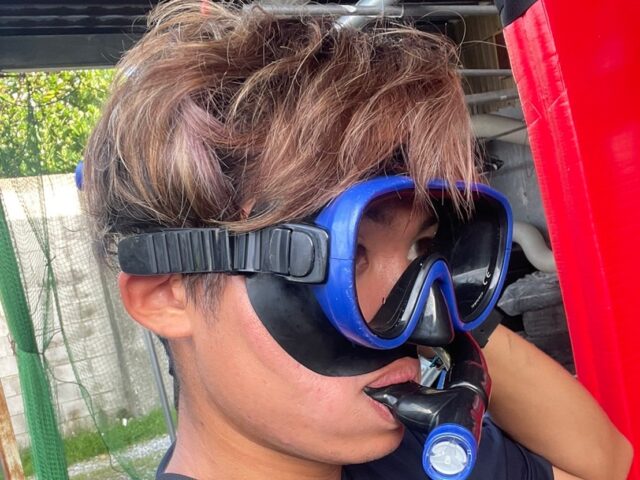
(iii) Finally, with a "u", wrap your lips around the outside of the snorkel mouthpiece.
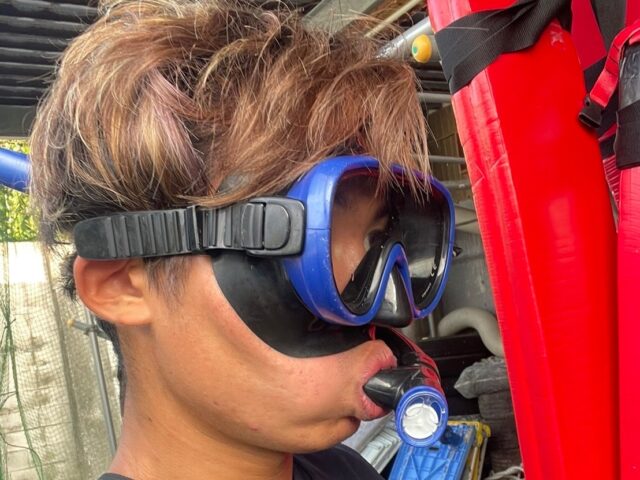
This completes the preparation, but before swimming out immediately, put your face in the water once to make sure that no water enters your mask and that you can breathe properly before going out to the sea.
We recommend that you bring another one as a spare in case you encounter problems with your mask and snorkel along the way.
life jacket
The survival rate in the event of an accident or physical abnormality varies greatly depending on whether or not a life jacket is worn.
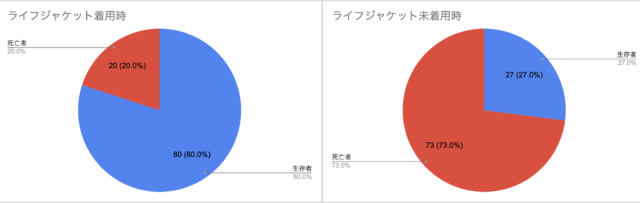
The above graph shows the survival rate of people who fell overboard wearing or not wearing life jackets, as announced by the Japan Coast Guard.
Thus, life jackets are a very important piece of equipment.
Proper use of life jackets
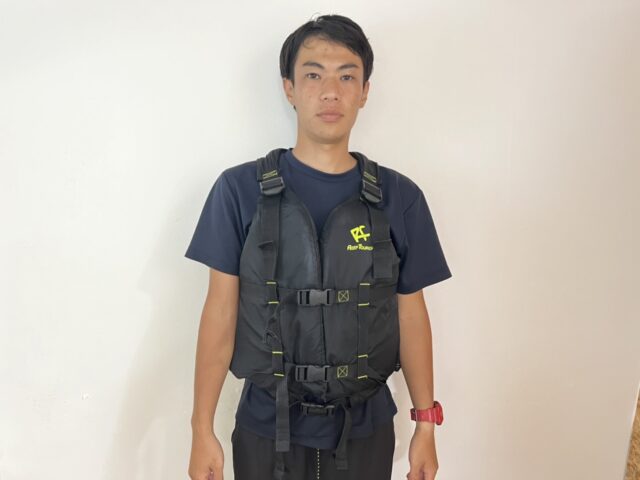
However, if the life jacket is worn in the wrong way, its effectiveness will be reduced by half.
The proper way to wear a life jacket is to first make sure you wear the correct size life jacket for your body.
Then, after donning the life jacket, tighten all belts and make sure they are securely attached to the body.
If this is not done, there is a possibility that only the life jacket will float upwards or come off during snorkeling.
fin
Equipped with fins, snorkeling is easier and more propulsive than swimming on one's own feet.
Proper use of fins
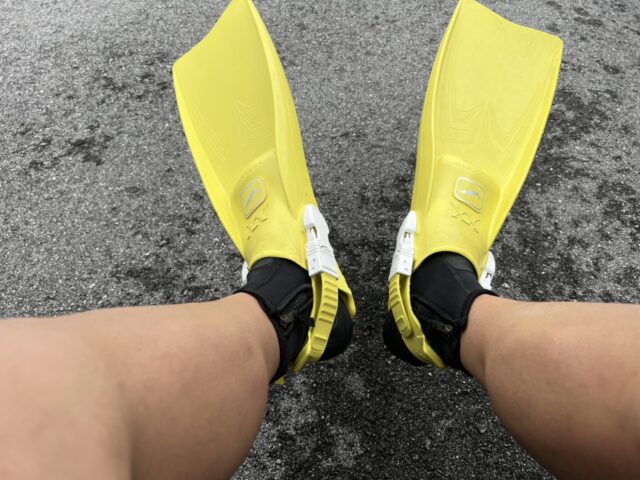
There are two types of fins: full-foot fins (worn barefoot) and strap fins (worn with shoes).
For beginners, we recommend the strap type, which is relatively easy to put on and take off, because wearing fins can be dangerous as you may not be able to walk as well as you would like and you may stumble.
To avoid water accidents
Water accidents can be prevented by being prepared and knowledgeable in advance.
Learn about the ocean
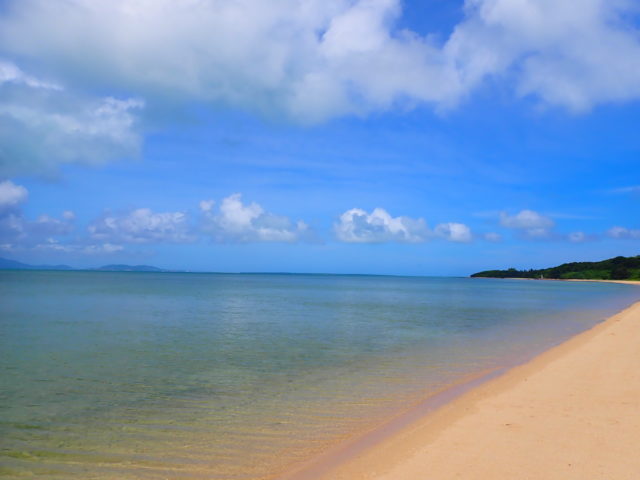
The ocean is not always in the same condition every day. Even when the weather is clear, it is dangerous to enter the ocean carelessly because of strong currents and winds.
Please gather information in advance and pay attention to the sea conditions as well as the weather to see if the day is safe.
Tidal currents (high and low tides)
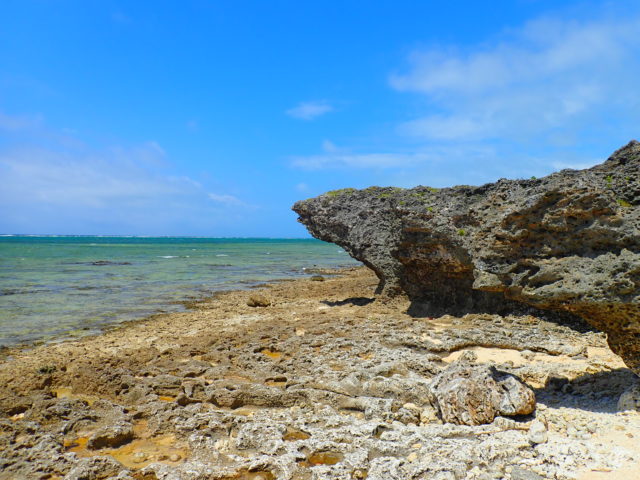
The ocean has high and low tides throughout the day. This word may not be familiar to city dwellers, but it is very important in Ishigaki Island.
On days when there is a large difference between high and low tides, the depth of the water changes by 150 cm.
Also, at low tide, the coral may dry up and not return to the beach, so it is necessary to know what time the low and high tides are.
Reef current (rip current)
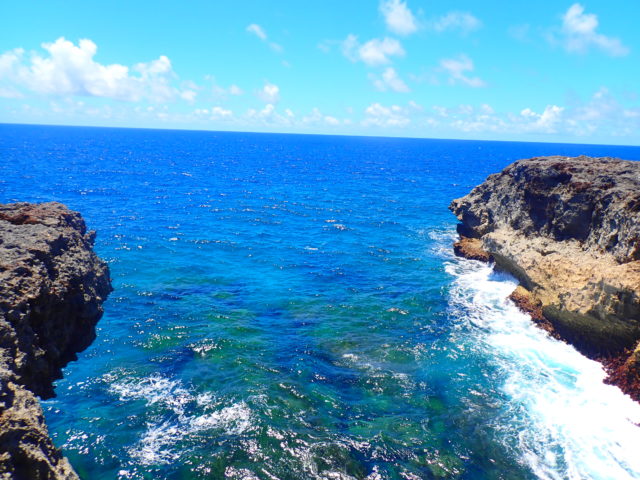
The most frightening part of the Okinawan sea is the reef current, which is unique to coral-rich areas.
A reef current is a backwash from shore to offshore.
Waves basically come in from offshore to the shore, but at some point they come together and flow back. This is called a reef current.
In Okinawa, reef currents are prone to occur when seawater flows out to sea through breaks in the coral reefs, so extreme caution is required.
Ensure means of communication

It is very important to have a means of communication when playing in the ocean.
In the past, there have been cases of delayed treatment due to lack of communication.
Thus, it is important for you and for those around you to have a means of communication.
If there is room, it is also better to ask for emergency contact information for accompanying persons.
Hazardous marine organisms
The sea is home to a very large number of dangerous organisms.
Touching a poisonous creature can cause a rash on the hands or, in the worst case, even death if bitten.
Even if you do not remember all of them, it is recommended that you remember just the most toxic and dangerous organisms.
There are many other dangerous creatures in the sea besides those listed below, so do not touch or carelessly get too close to any of them.
sea snake
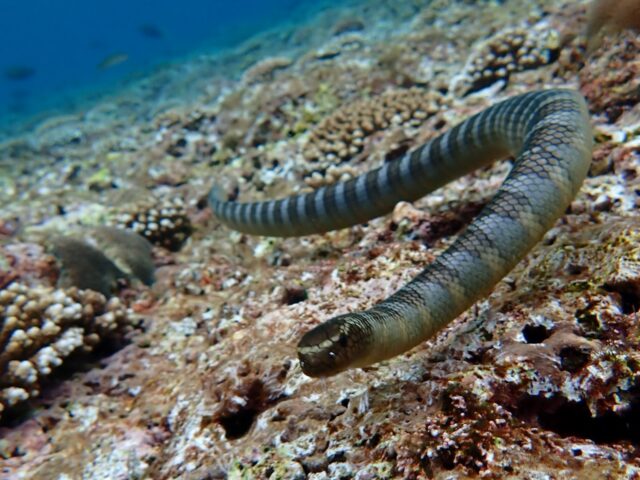
Sea snakes are very docile and rarely attack people.
However, do not approach them carelessly, as they can bite if accidentally stepped on or grabbed.
The bite is less painful, but it is neurotoxic, and there is a risk of breathing difficulty, hypotension, and general paralysis in about 30 minutes.
Its toxicity is said to be 50 times stronger than that of the habu.
If a person is bitten underwater and left untreated, he or she may gradually become numb and unable to move.
First Aid
If you are bitten, get out of the water as soon as possible and contact a medical facility.
northern sea nettle (Chrysaora melanaster)
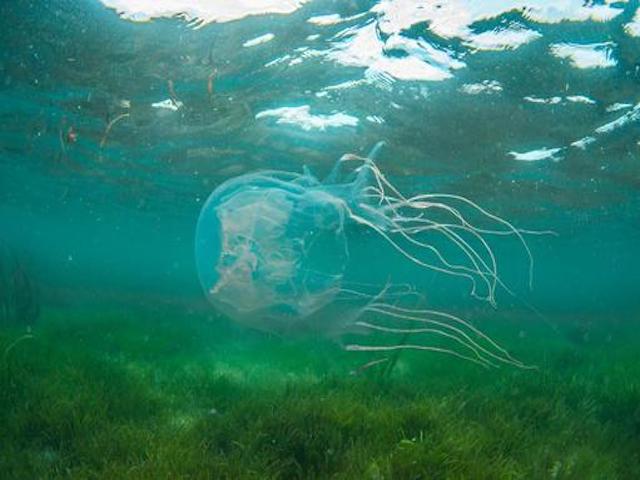
Habu jellyfish are difficult to see underwater because of their translucent bulbs, and are often noticed only after they sting.
Stinging accidents occur in large numbers from June to September, even on sandy beaches as shallow as 20 to 30 cm.
The tentacles of the habu jellyfish are filled with capsules containing poisonous needles called cnidocysts, which are ejected when stimulated,
The sting causes severe pain and is characterized by a worm sore-like mark.
It is so poisonous that three deaths have been reported so far in Okinawa.
First Aid] (First aid)vinegar)
If you are stung by a habu jellyfish, apply vinegar, rinse off the tentacles, and seek medical attention.
Portuguese man-of-war (Physalia physalis)
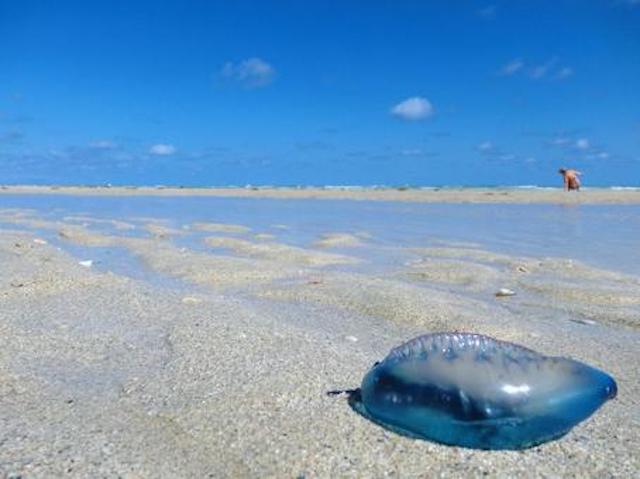
Bonefish are characterized by having a bluish-white floating pouch from which long blue tentacles extend.
It is a very beautiful looking jellyfish species.
Because they move with the wind in their floating bags, strong winds can carry them to the beach and cause damage,
It is also called "Denki Jellyfish" because the sting causes a strong pain that feels like an electric shock.
There have been no reports of deaths in Japan, but several cases have been reported overseas.
First Aid] (First aid)hot water)
If you are stung, never apply vinegar or alcohol to the sting, wash it off clean with hot water, and go to a medical facility.
luna lionfish (Pterois lunulata)
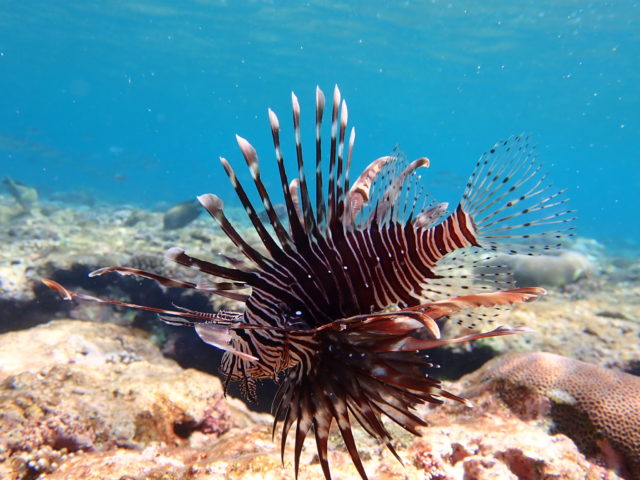
The minnows are very beautiful, move slowly, and do not run away very often when approached.
When startled, however, they raise their dorsal fins in a threatening manner.
The dorsal, ventral, and anal fins are poisonous, and the sting is very painful.
First Aid] (First aid)hot water)
If you are stung, clean the sting with hot water and go to a medical facility.
For safe snorkeling
Take a tour
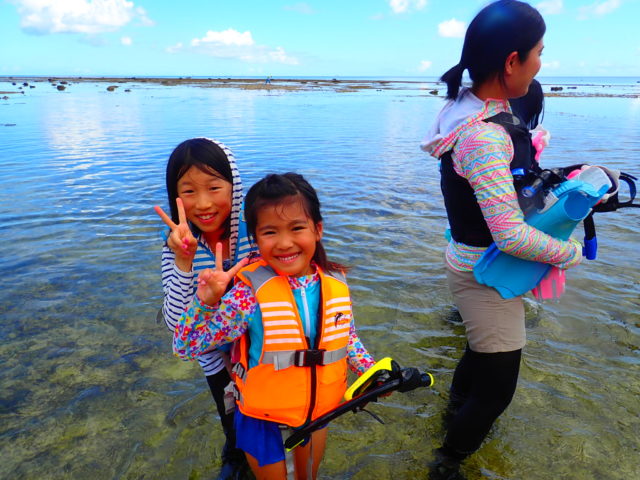
The best way to enjoy safe snorkeling is to join a tour.
Most of the tour guides are basically qualified in water rescue, so you can rest assured that you will be in good hands.
Many companies also lend out the necessary equipment, so we encourage you to participate.
Fun in the swimming area
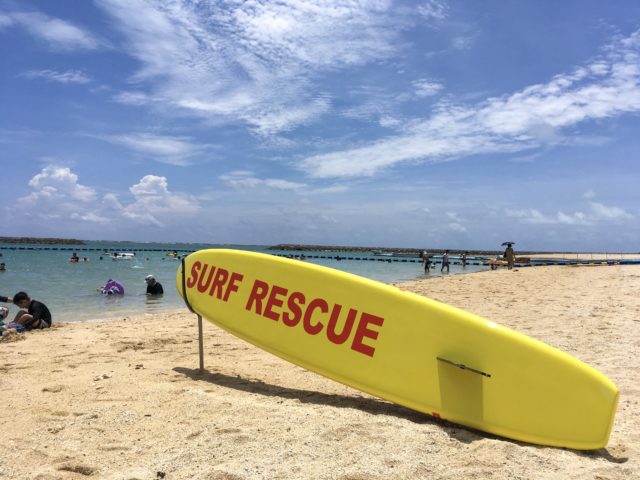
Another effective way to ensure safe snorkeling is to do it within the swimming area.
A lifeguard is stationed in the swimming area during the hours when swimming is permitted.
In addition, there are many other swimmers, so it is safe for people to watch.
No snorkeling alone.
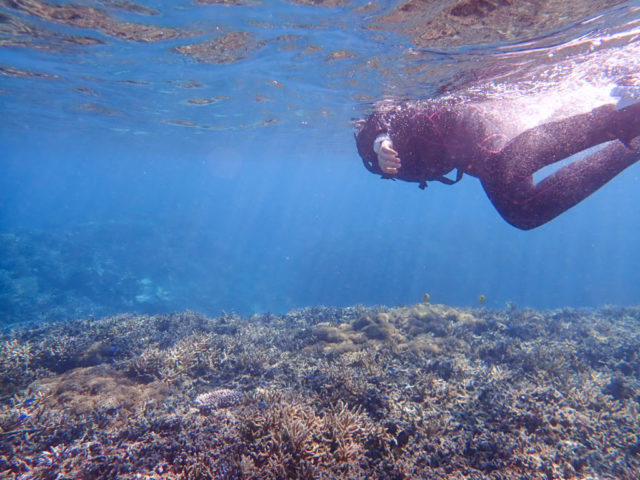
When snorkeling, it is very dangerous to do it alone.
If something should happen to the patient, he or she will not be able to handle the situation alone, and the survival rate will decrease.
If you are doing this in private, at least two or more people should do it.
take it easy
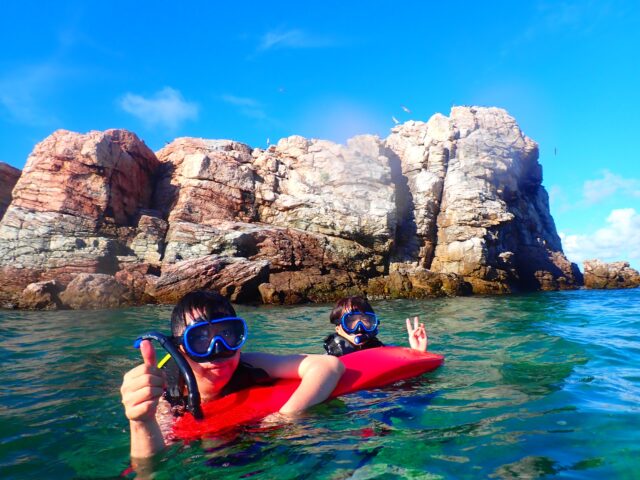
Do not force yourself into the ocean if you are not feeling well, have not had enough sleep, or are fatigued.
Also, do not enter the building if you have consumed alcohol or other alcoholic beverages.
It is important to understand and judge your own physical condition.
If you feel even the slightest concern about your health even while snorkeling, get out of the water immediately.
Safety comes first on PiPi tours!
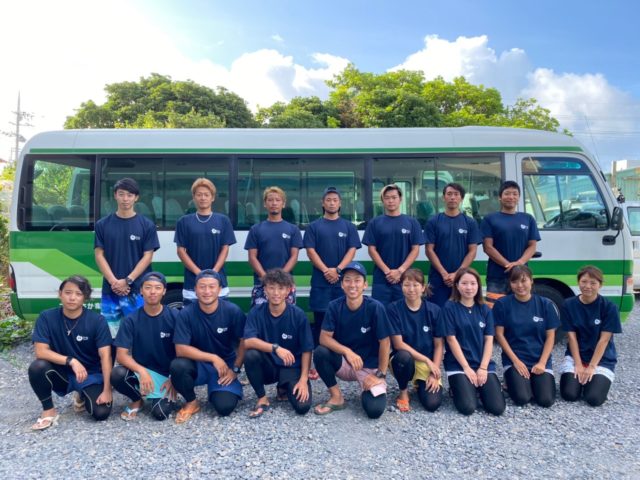
At ADVENTURE PiPi, we believe that "fun memories are only possible with safety. We believe that "safety is the key to happy memories".
No matter how much fun it is, it cannot be left as a pleasant memory if someone gets hurt.
ADVENTURE PiPi employs our own safety standards, including careful field checks, to ensure that our tours are conducted with the utmost care.
All guides are certified water rescuers
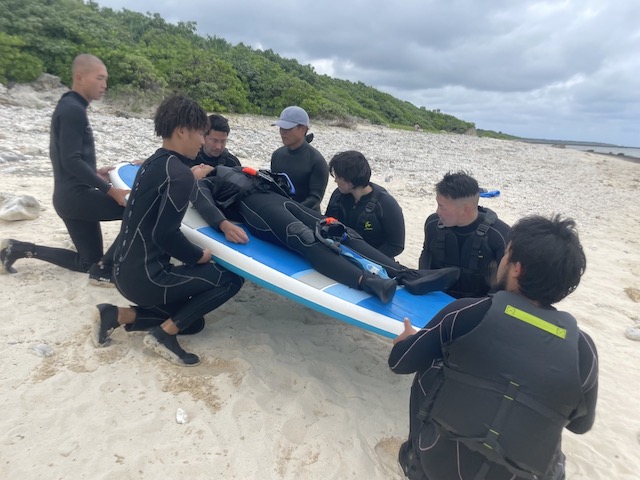
All ADVENTURE PiPi guides are certified water rescuers,
We also regularly participate in JTST (Japan Tourguide Safety Training) safety courses.
Ensure that life jackets are worn, including by guides
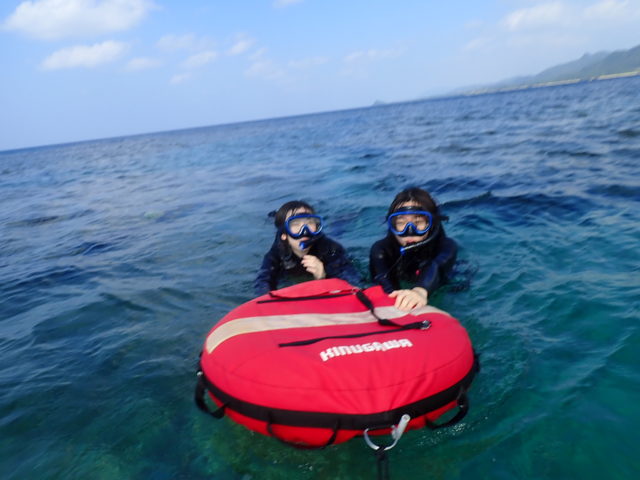
All ADVENTURE PiPi tour participants, including the guides, are required to wear life jackets.
We also bring at least one rescue tube per guide.
PiPi's own high safety standards
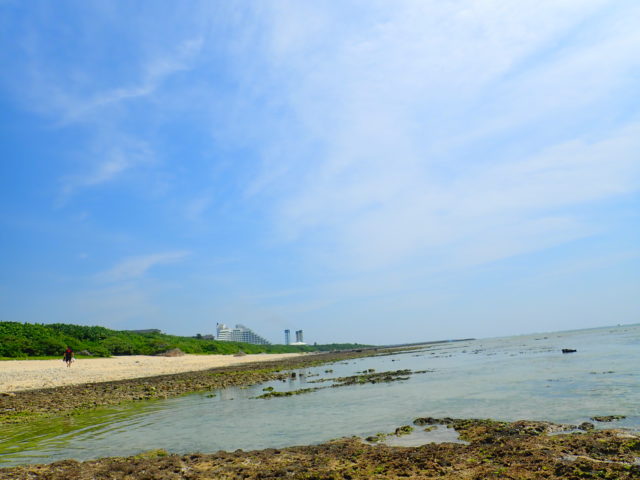
We have adopted our own high safety standards and conduct a field check every morning before the tour to ensure that the tour is safe.
Each guide has his or her own standards of judgment and is trained to stop the tour if it becomes dangerous in any way.
Recommended Snorkeling Tours
Snorkeling in the much-talked-about unexplored "Blue Cave
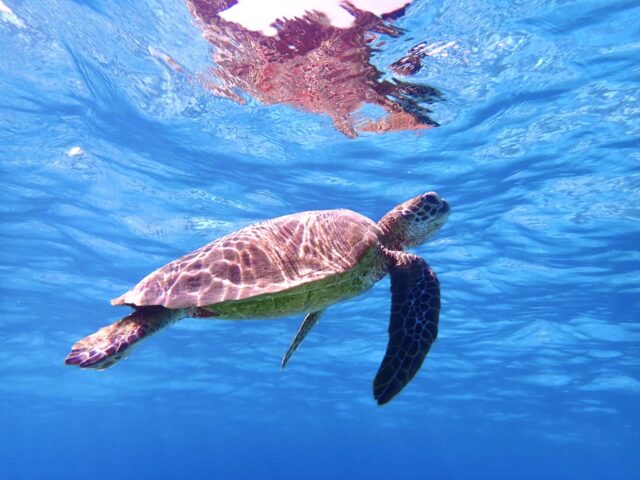
This is a snorkeling experience plan to feel the beautiful and clear ocean of Ishigaki Island with your whole body.
We will take you to the popular spot "Blue Cave".
The caves and the sea are very beautiful!
If you are lucky, you may also be able to see sea turtles!
Landing on Hamashima Island, the most beautiful spot in Ishigaki Island and snorkeling
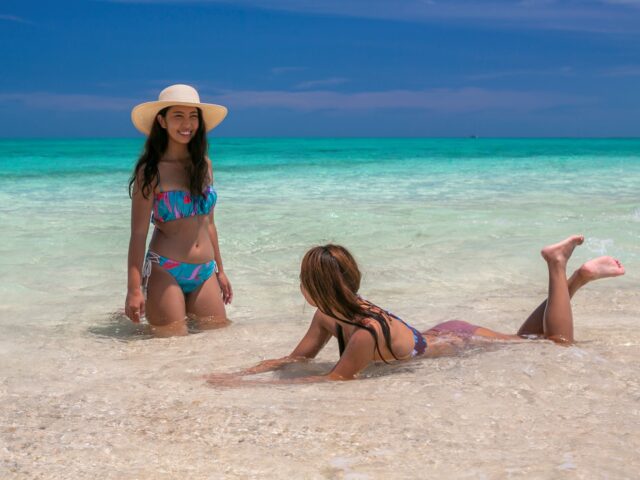
An uninhabited island that can be reached by boat from Ishigaki Island in about 30 minutes.Phantom Island.Landing and snorkeling tours of the
It is a perfect location, surrounded by blue ocean as far as the eye can see in 360°!
The sea around the phantom island isShihsi LagoonThe largest coral reef in Japan, called
In the sea around Phantom Island, which is also an excellent snorkeling spot.Lots of fishSwim with the corals and the coral!
summary
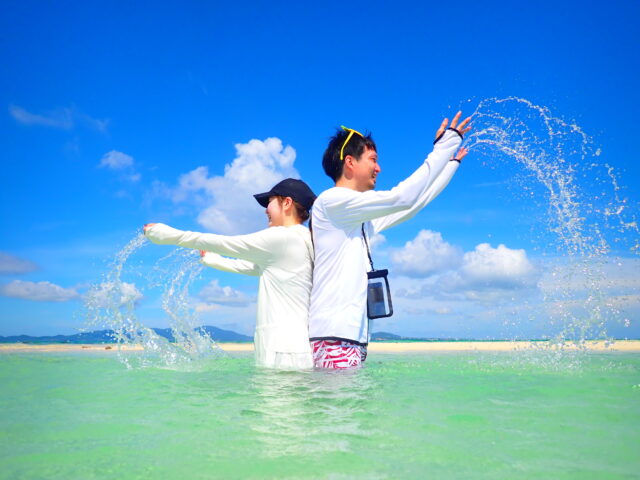
I hope you enjoyed this article on what it takes to snorkel safely.
It would be a shame to ruin an otherwise enjoyable trip.
Even if you are careful, unforeseen accidents can occur, but I believe that most can be prevented in advance if you take at least a minimal amount of precautions.
We hope you will make your trip an accident-free and enjoyable experience!
This article was written by.