

Local Column
COLUMN
How to get to and play at Nagura Dam! Ishigaki Island resident staff will give you a thorough explanation!
Hello everyone!
Have you heard of the Nagura Dam on Ishigaki Island?
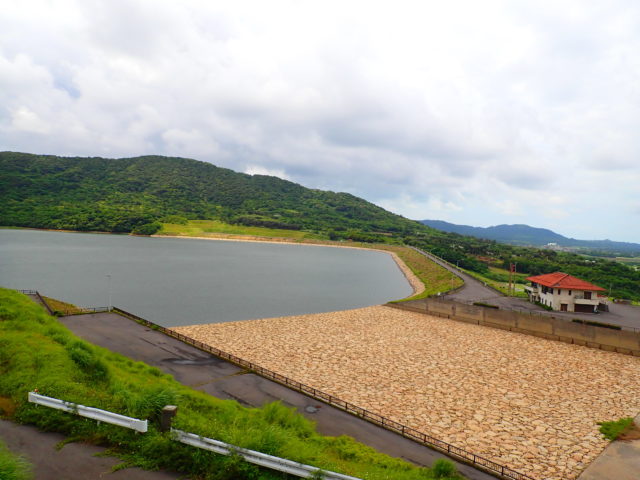
Located upstream along the river from Nagura Bay, this is the second-largest dam on Ishigaki Island. Situated south of Mount Omoto, the dam area doesn’t have any large parks, but it does feature an observation deck and walking trails, making it a great spot to relax.
In this article, we’ll introduce the Mezo Dam on Ishigaki Island.
Table of Contents
About the Nagura Dam
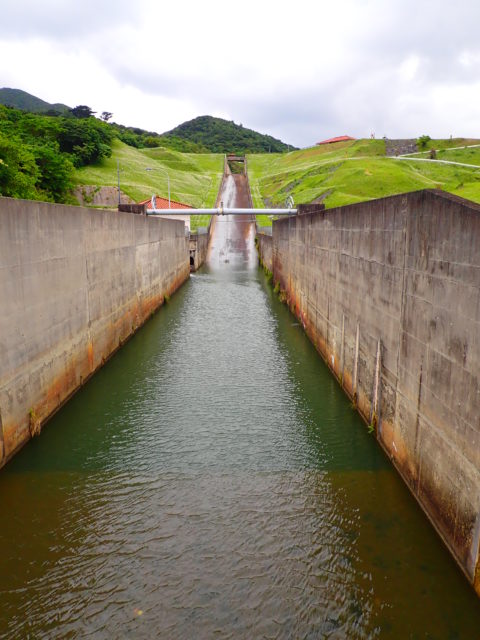
Located upstream along the river from Nagura Bay, this is the second-largest dam on Ishigaki Island. Situated south of Mount Omoto, the dam was constructed in response to a drought that struck Ishigaki Island in 1971. The dry spell lasted 191 days without a single drop of rain, causing crops to wither and leaving no grass for cattle to eat. The farmers of Ishigaki Island faced severe hardship, so the national government, the prefecture, the city, and local residents joined forces to build a dam that would ensure a steady water supply no matter how severe the drought might become. The result of this collaboration was the Nagura Dam.
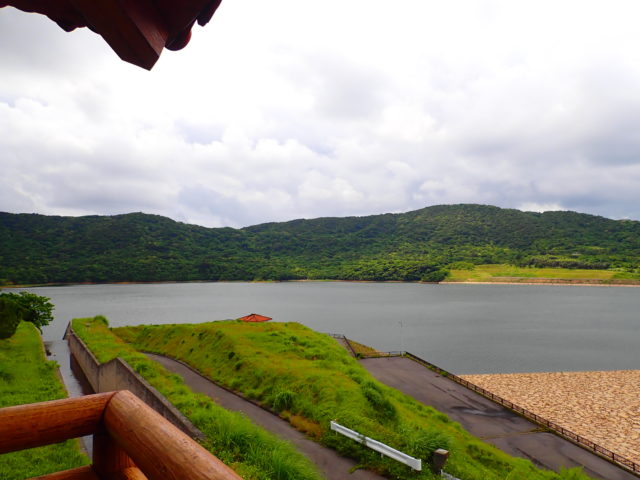
As its name suggests, the Nagura Dam is located upstream in the Nagura River watershed, and In the event of heavy rain, it prevents water from rushing directly into the ocean; instead, it stores the water and releases the necessary amount into the river for use. It also serves a second purpose: during dry periods, a lack of water can cause crops to stop growing or wither, so the dam stores water to ensure it is available when needed. Water plays a vital role in sustaining our lives. From drinking water to nourishing crops, human life would be impossible without it.
As if to illustrate this, two stone monuments stand side by side near the entrance to Nagura Dam. One commemorates the introduction of water buffalo, while the other bears an inscription detailing the history of pineapples on the island. These monuments serve as a testament to the many blessings that the water from Nagura Dam brings to Ishigaki Island. In July, the Nagura Dam also hosts the Ishigaki Island Dam Festival. With a variety of events planned—including horseback riding, banana boat rides, and canoeing—the festival draws crowds of local families and tourists alike. If you happen to be visiting Ishigaki Island during this time, why not give it a try?
How to Get to Nagura Dam
Access by car
If you’re renting a car from Ishigaki Airport, head north on Route 390. Turn left at the T-intersection where it connects with Route 211. Continue west on Route 211 (the Shinkawa-Shiraho Line), and you’ll see a farm called Okada Farm on your left. Turn right at the four-way intersection just past the farm, then continue straight ahead until you reach the dead end, where you’ll arrive at Nagura Dam. The trip takes about 25 minutes.
If you’re coming from the Ishigaki Island Remote Islands Terminal, head north on Route 87. When you see Maria Omata Ranch on your right, you’ll reach a three-way intersection where Route 211 and Route 87 split. Turn left onto Route 211 here and head west; you’ll see a farm called Okada Farm on your left. Turn right at the four-way intersection past the farm, then continue straight ahead until you reach the dead end, where you’ll arrive at Nagura Dam. The trip takes about 25 minutes.
Access by bus
First, take the Higashi Unyu Bus on the Yoshihara Line from the Ishigaki Bus Terminal to Takada. Since the only way to get from Takada is on foot, you’ll hike up Mount Omoto. The bus takes about 30 minutes to reach Takada, but it takes approximately 1 hour and 30 minutes to reach Nagura Dam.
Detailed Information on the Nagura Dam
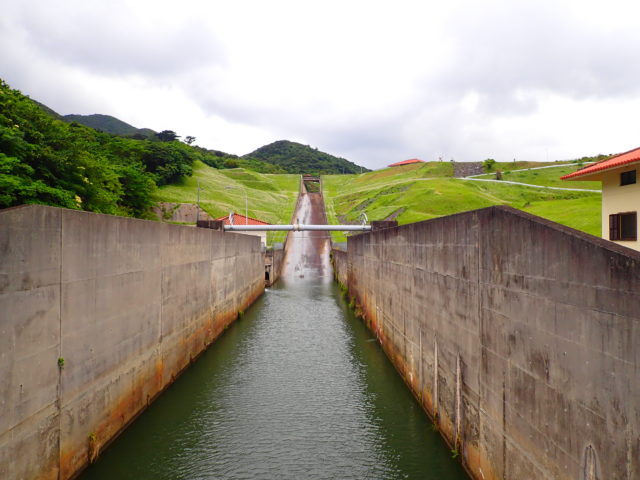
Located upstream along the river from Nagura Bay, this is the second-largest dam on Ishigaki Island. It was constructed south of Mount Omoto, the highest peak not only in the Yaeyama Islands—which include Ishigaki Island—but in the entire Okinawa Prefecture. Mount Omoto is said to symbolize the island’s “great central mountain.” It has long been cherished as a symbol of Ishigaki Island and a place of worship. Designated as a national park, the area is home to a wealth of flora and fauna unique to subtropical regions, as well as national natural monuments such as the Ryukyu Gold-crowned Pigeon and the Crested Goshawk. You might even spot them at Nagura Dam.
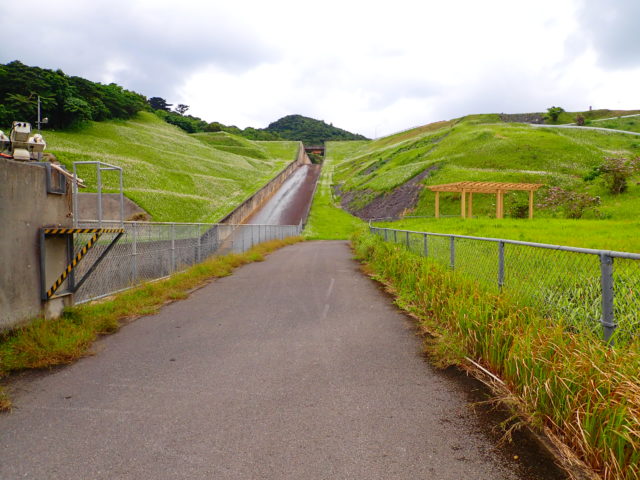
The Nagura Dam was constructed because Ishigaki Island had been plagued by drought. Starting with the severe drought of 1971, the island has suffered from droughts for many years. Although Ishigaki Island is one of the rainiest regions in Japan, with annual rainfall exceeding 2,000 mm, most of the rainfall is concentrated during the rainy season or typhoon season. Furthermore, because the rivers are short, most of the water flowed into the sea without being utilized.
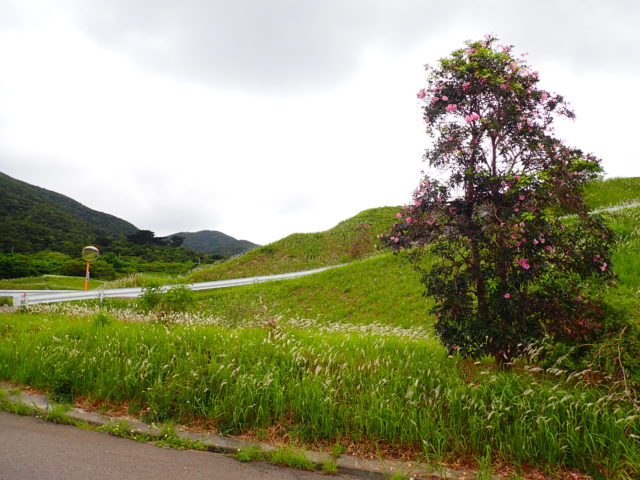
Furthermore, with the exception of a few rice paddies, there were virtually no irrigation facilities on Ishigaki Island, forcing farmers to rely on rainwater for agriculture and leaving them vulnerable to drought damage almost every year. Against this backdrop, farmers on Ishigaki Island faced great hardship. To ensure a constant water supply no matter how severe the drought, the national government, the prefecture, the city, and local residents joined forces to build a dam. The Nagura Dam was constructed as part of the Hometown Rural Revitalization Fund Project.
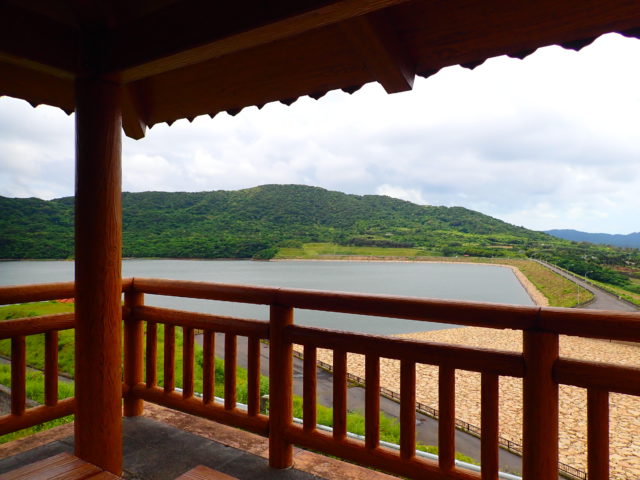
As its name suggests, the Nagura Dam is located upstream in the Nagura River watershed, and In the event of heavy rain, it prevents water from flowing directly into the ocean all at once; instead, it stores the water and releases the necessary amount into the river for use. It also serves a second purpose: during dry periods, a lack of water can cause crops to stop growing or wither, so the dam stores water to ensure it is available when needed. Water plays a vital role in sustaining our lives. From drinking water to nurturing crops, humans cannot survive without it. As if to illustrate this, two stone monuments stand side by side near the entrance to the Nagura Dam. One monument honors the introduction of water buffalo, while the other bears an inscription chronicling the history of pineapples on the island. These serve as a testament to the many blessings the water from Nagura Dam brings to Ishigaki Island.
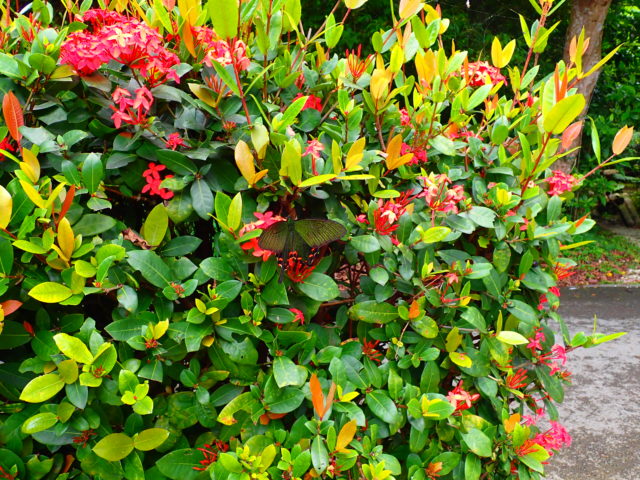
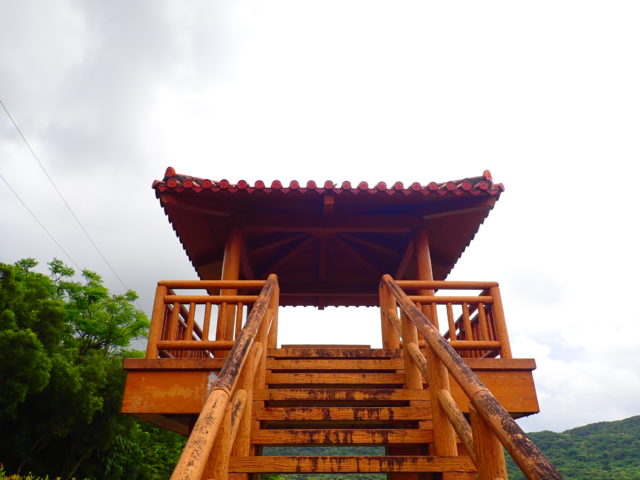
There is a wooden observation deck in the area that overlooks the Nagura Dam, offering a panoramic view of the water stored in the dam. There is a walking trail nearby, so why not take a leisurely stroll and enjoy the scenery of the dam?
The giant antenna, which can also be seen from the observation deck, is a popular attraction.
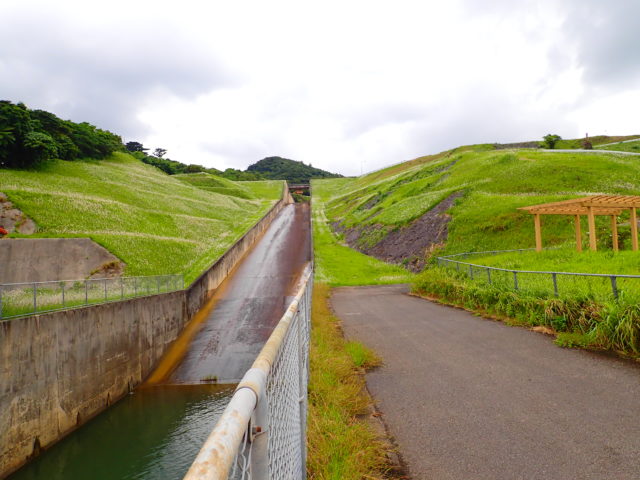
This is the VERA Ishigaki Observatory, a branch of the National Astronomical Observatory of Japan. The National Astronomical Observatory of Japan’s VERA Ishigaki Observatory was established as an observation site for a project to create a three-dimensional map of the Milky Way. You can tour the premises between 10:00 a.m. and 4:30 p.m. on weekdays. On weekends, you can participate in hands-on observation activities and listen to explanations from experts. The sight of the illuminated antennas is truly impressive—it looks like something straight out of a science fiction movie.
The area around Nagura Dam and VERA is located away from the city and at a high elevation, making it an excellent spot for stargazing. Listening to a guided tour at noon to learn more about the night sky will make your stargazing experience that night even more enjoyable. Be sure to enjoy some nighttime stargazing at Nagura Dam.
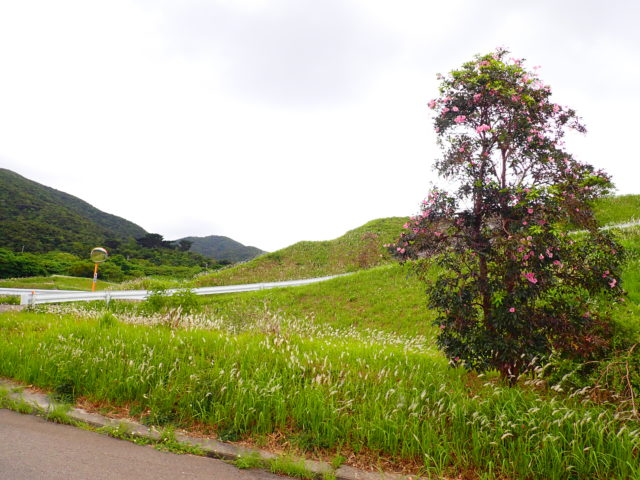
In July, there is also the Ishigaki Island Dam Festival. Aimed at promoting agriculture and fostering community interaction, this festival makes use of the dam and its surrounding facilities as part of a public relations campaign to highlight the beautiful views from the agricultural dam and its recreational features. With a variety of events planned—including performances by the local junior high school’s brass band, banana boat and canoe rides on the dam, and horseback riding experiences—the festival draws large crowds of local families and tourists. If you happen to be visiting Ishigaki Island during this time, why not stop by and join in the fun?
Things to Do at Nagura Dam
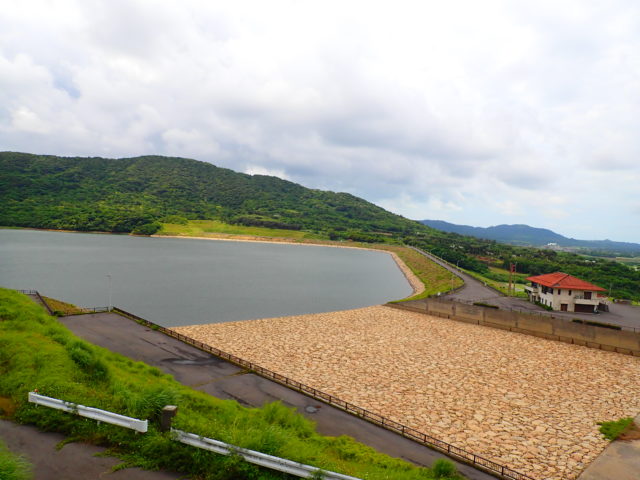
Nagura Dam is a relatively new dam located south of Mount Omoto. As a result, you can see this beautiful, massive structure. It’s a must-visit spot for anyone who loves dams and engineering structures. Since it was built on Mount Omoto, it’s naturally at a high elevation. This allows you to take in a panoramic view of the surrounding area. From Nagura Dam, you can enjoy beautiful views of Nagura Bay, VERA Ishigaki Island, and the surrounding landscape.
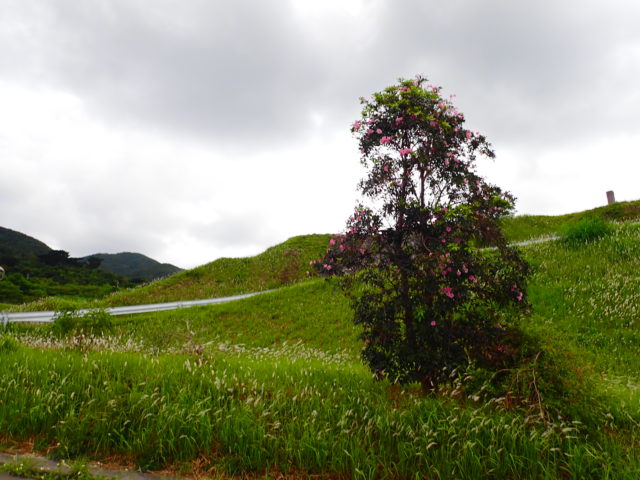
Since it’s located in a mountainous area, it’s secluded from populated areas, and with its well-maintained walking trails, you can enjoy a leisurely stroll. Since the area has been designated as a Starlight Reserve, one of its attractions is the opportunity to observe the beautiful night sky. If you’d like to learn more about the stars over Ishigaki Island, you might enjoy your visit even more by attending a lecture at the nearby VERA Ishigaki Island Observatory, which is easily recognizable by its large antenna.
Address: Aza Tonoshiro, Ishigaki City, Okinawa Prefecture
Hours of operation: None
Operating Hours: None
Parking: Free parking available.
Toilet: Yes
summary
We’ve introduced you to the Nagura Dam. What did you think?
The Nagura Dam is indispensable to local residents; thanks to the dam, river flooding is prevented, and it provides water for crops and livestock. There is an observation deck and a walking trail nearby, and because of its high elevation, the views are spectacular, making it a great place to relax. Since the area has also been designated as a Dark Sky Reserve, you might find yourself completely captivated by the night sky if you go stargazing here.
Here are some highlights of the Nagura Dam:
・The scenery is beautiful because it is located at a high elevation.
・Since it's away from populated areas, you can take a leisurely walk.
・Since this area has been designated as a Dark Sky Reserve, visitors can enjoy observing the beautiful night sky.
Be sure to check out the information above and pay a visit to Nagura Dam.
Thank you for reading to the end.
This article was written by.